


Dogs
From brush-outs to nail care — grooming guides for every coat type and Canadian season.
- Coat care & brushing by coat type
- Bathing, drying & product safety
- Nail trimming & winter paw care
ALL PETS · CANADIAN HOMES
Practical, vet-reviewed grooming and care guides for dogs, cats, rabbits, and birds — written for Canadian homes, climates, and seasons.
Vet-reviewed · Canadian seasons covered · Dogs · Cats · Rabbits · Birds
Choose your pet
From brush-outs to nail care — grooming guides for every coat type and Canadian season.
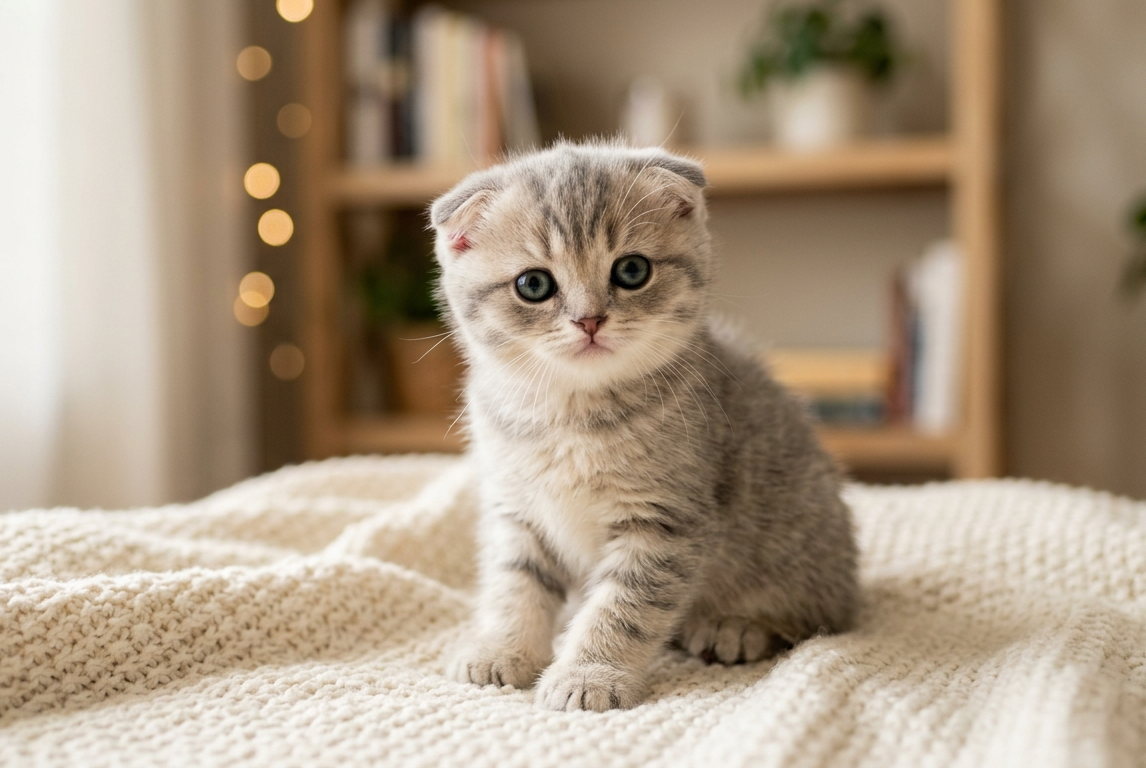
Cats self-groom — but they still need your help with nails, ears, hairballs, and coat health.
Rabbit grooming has unique safety rules — full baths can be fatal, and ingested fur causes life-threatening GI blockages.
Birds require the most careful approach — stress, fumes, and incorrect handling can be fatal.
The case for grooming at home
Professional grooming costs $60–$120+ per visit for dogs, and adds up fast across all pet types. Regular at-home care reduces how often you need a professional — without compromising your pet's health.
Grooming puts you closer to your pet than almost any other activity. Lumps, skin changes, ear problems, weight changes, and parasite signs are all detected during grooming — often weeks before they'd otherwise be noticed.
Many pets find professional grooming environments stressful — the travel, the unfamiliar smells, the handling by strangers. A calm, consistent at-home routine reduces that stress significantly for every species.
Time spent in calm, consistent contact with your pet builds trust in a way that few other activities match. Every grooming session is an investment in your relationship.
Built for Canadian pet owners
Most pet grooming content online is written for a general audience — without accounting for Canadian winters, dry heated-home air, tick and flea seasonality, or the specific challenges of grooming in a cold climate.
Every guide on GroomedPaws is written with Canadian homes in mind. We cover seasonal coat changes, winter paw care, spring molt season, and the humidity issues that affect birds and rabbits in heated interiors.
Our content is reviewed for veterinary accuracy and updated regularly. When a task carries health risks — for your pet or for you — we say so clearly.
Planning ahead
Use this as a starting point — individual breed and coat type will affect the numbers.
| Topic | Dogs | Cats | Rabbits | Birds |
|---|---|---|---|---|
| Brushing frequency | 2–7×/week (coat-dep.) | 1–7×/week (coat-dep.) | 3–7×/week (coat-dep.) | Not applicable |
| Bathing | Monthly | Rarely–monthly | Never (fatal) | Misting 2–3×/week |
| Nail trimming | Every 3–4 wk | Every 3–4 wk | Every 4–6 wk | Every 6–8 wk (small birds) |
| Professional grooming | Yes — haircuts | Optional (lion cut) | Angoras only | Wing clipping only |
| Beginner friendliness | ★★★★☆ | ★★★★☆ | ★★★☆☆ | ★★☆☆☆ |
| Unique concern | Seasonal shedding | Hairball risk | GI stasis risk | Fume sensitivity |
Across every species
A short 10-minute session three times per week does more for your pet's coat and health than a single long session once a month. Every species responds better to routine than to occasional effort.
The best reason to groom at home is not aesthetics — it's observation. Every grooming session is a head-to-tail health check. You will find things your vet would only see at annual visits.
Every species — dogs, cats, rabbits, birds — needs to be introduced to grooming gradually. Start with touch and handling before you pick up a brush or clipper. Rushing this step causes lasting resistance.
End every session before your pet becomes stressed — not after. A 10-minute session that ends positively builds trust. A 30-minute session that ends with struggle undoes weeks of progress.
Some grooming tasks carry real risks if done incorrectly — beak trimming in birds, mat removal in rabbits, and double-coat shaving in dogs are all better left to professionals. Knowing when to stop is a skill.
Every species is sensitive to the handler's state. If you are nervous or rushed, your pet will be too. Calm, confident handling is the single most effective grooming technique across all species.
Plan ahead for every season
Canadian seasons affect every pet differently. Here's what to expect and prepare for, month by month.
| Winter | Spring | Summer | Fall | |
|---|---|---|---|---|
| Dogs | Rinse paws after every walk (road salt), reduce bathing frequency, paw balm for cracked pads. | Peak shedding — daily de-shedding for 3–6 weeks. Tick checks after outdoor walks. | No shaving double coats. More frequent baths if swimming. Hot pavement paw check. | Second shedding season — daily brushing. Update flea/tick prevention. |
| Cats | Increase brushing for static from dry heated air; watch for hairball increase. | Major coat blow-out — brush daily 4–6 weeks. Flea and tick checks begin. | Check outdoor cats for burrs and flea activity. More brushing for long-haired breeds. | Coat thickens for winter — conditioning. Update flea prevention. |
| Rabbits | Grooming glove reduces static; bring outdoor hutches inside below -10°C. | Heaviest molt — daily grooming mandatory; GI stasis risk highest. Increase hay. | Flystrike risk — check hindquarters daily. Shade runs above 25°C. | Second heavy molt — daily grooming. Angora clip before winter coat. |
| Birds | Daily misting critical — humidity 15–25% in heated homes. Run HEPA filter continuously. | Natural molt begins — increase misting for pin feathers. Annual vet visit recommended. | Supervised outdoor time for sunlight (vitamin D). Never in direct sun without shade. | Humidifier as heating starts. Annual vet wellness visit. |
Dogs: Rinse paws after every walk (road salt), reduce bathing frequency, paw balm for cracked pads.
Cats: Increase brushing to combat static from dry heated air; watch for hairball increase.
Rabbits: Switch to grooming glove (reduces static); bring outdoor hutch rabbits inside below -10°C.
Birds: Daily misting critical — indoor humidity drops to 15–25% in heated Canadian homes. Run HEPA filter continuously.
Dogs: Peak shedding season — daily de-shedding for 3–6 weeks. Tick checks after outdoor walks.
Cats: Major coat blow-out — brush daily for 4–6 weeks. Flea and tick checks begin.
Rabbits: Heaviest molt of the year. Daily grooming mandatory — GI stasis risk is highest now. Increase hay intake.
Birds: Natural molt begins — increase misting for pin feather health. Annual vet visit recommended.
Dogs: No shaving double coats. More frequent baths if swimming. Hot pavement paw check.
Cats: Check outdoor cats for burrs and flea activity. More frequent brushing for long-haired breeds.
Rabbits: Flystrike risk — check hindquarters daily. Keep outdoor runs shaded above 25°C.
Birds: Supervised outdoor time for natural sunlight (vitamin D). Never in direct sun without shade.
Dogs: Second shedding season — resume daily brushing. Update flea/tick prevention.
Cats: Coat thickens for winter — conditioning treatment. Update flea prevention.
Rabbits: Second heavy molt — daily grooming restarts. Angora clip before winter coat comes in.
Birds: Resume humidifier as heating starts. Annual vet wellness visit.
Find any guide quickly
Looking for something specific? Find every guide topic across all four pet sections here.
More detailed guides coming soon as we expand each topic.
More detailed guides coming soon as we expand each topic.
More detailed guides coming soon as we expand each topic.
More detailed guides coming soon as we expand each topic.
More detailed guides coming soon as we expand each topic.
More detailed guides coming soon as we expand each topic.
More detailed guides coming soon as we expand each topic.
More detailed guides coming soon as we expand each topic.
Frequently asked
Dogs and cats are the most beginner-friendly — there is extensive product support, most tasks are well-documented, and mistakes are rarely dangerous. Short-coated dogs and cats require the least time investment. Rabbits require more specific knowledge — particularly around molt season and GI stasis risk. Birds are the most demanding in terms of safety awareness — stress sensitivity, fume hazards, and the limits of DIY care (beak trimming should always be done by an avian vet) make them the least beginner-friendly for grooming.
A groomer handles appearance and coat maintenance. A vet handles anything medical. If you notice any of the following during a grooming session, see a vet rather than a groomer: new lumps or growths, skin that is red, broken, or weeping, ear discharge with odor, unexplained hair or feather loss, any change in droppings (especially in rabbits and birds), signs of pain during handling, or anything that looks infected. When in doubt, call the vet first.
Some tools are shared safely — nail clippers designed for cats work well for rabbits, for example. But most tools should not be shared across species. Dog brushes are often too firm for rabbit skin. Cat shampoo is not safe for birds. Human shampoo is not safe for any pet. Always check that a product is rated for the specific species before using it — "small animal" on a label does not automatically mean safe for every small animal.
Start before you have tools. Spend several sessions just touching your pet in the areas you will eventually groom — paws, ears, mouth. Pair every touch with a reward. Only introduce tools once touch is tolerated calmly. Keep every early session under 5 minutes. Increase duration only as tolerance increases — never push past the point of stress. This approach works across all four species and builds lasting cooperation rather than resigned tolerance.
It depends on species and coat type, but as a general rule: dogs need brushing 1–7 times per week depending on coat type; cats need brushing 1–7 times per week; rabbits need brushing 3–7 times per week (daily during heavy molt); birds need misting 2–3 times per week year-round, more in Canadian winter. Nail trimming for all species falls in the 3–8 week range. See the comparison table above for a full breakdown.
From the blog
Seasonal care
Health
Safety